
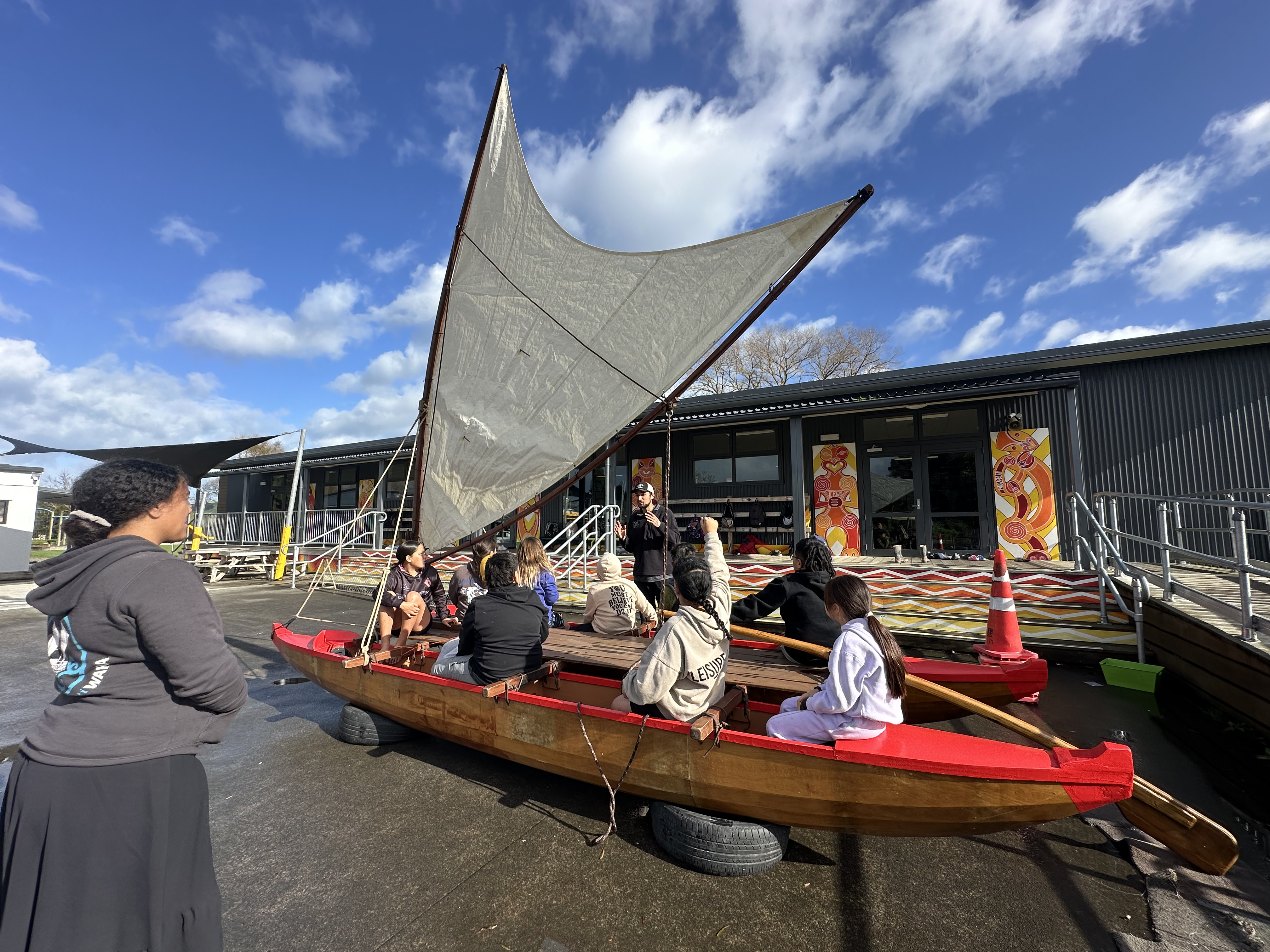
Tairāwhiti Voyaging Trust (TVT) is expanding opportunities for locals and visitors to experience kaupapa waka.
Trust Tairāwhiti has approved $150k for the first year of a staged strategic partnership with TVT, supporting its long-term financial sustainability and the development of waka hourua programmes, training initiatives and tourism experiences.
TVT has spent the past decade reconnecting communities with kaupapa waka through sail experiences, education programmes and cultural revitalisation initiatives.
The organisation is building on this foundation with new pathways for people to get involved, including year-round volunteer opportunities, advanced development for kaumoana (crew members) and future kaihautū (captains), seasonal voyage training and a new rangatahi internship programme.
The internship programme will use mahi waka to help rangatahi build practical skills, leadership, confidence and responsibility. It adds to TVTs expanding education and research activity, which will include programmes for schools, tertiary providers and community organisations.
“It’s really about succession planning and growing the number of people within Tairāwhiti who are able to support our kaupapa because they understand it, and want to contribute,” says TVT manager Emma Van Berkel.
TVT is also developing its tourism experiences, creating new ways for locals and visitors to engage with authentic Tairāwhiti stories and the living traditions of waka hourua.
“With the waka hourua, we can actually get people out to access places that everybody hears about, talks about and has stories about. It’s that opportunity to put that mātauranga into practice and actually live it, not just hear or talk about it,” says Emma.
With support from Trust Tairāwhiti, TVT is strengthening its programmes and developing the people and skills needed to sustain waka hourua traditions for future generations.
“There’s that opportunity for people to live their whakapapa. They sail along our coast and see these places from the moana, experiencing the same sights, sounds and smells that our tīpuna have for generations. It connects them in a way that reading about it doesn’t.”