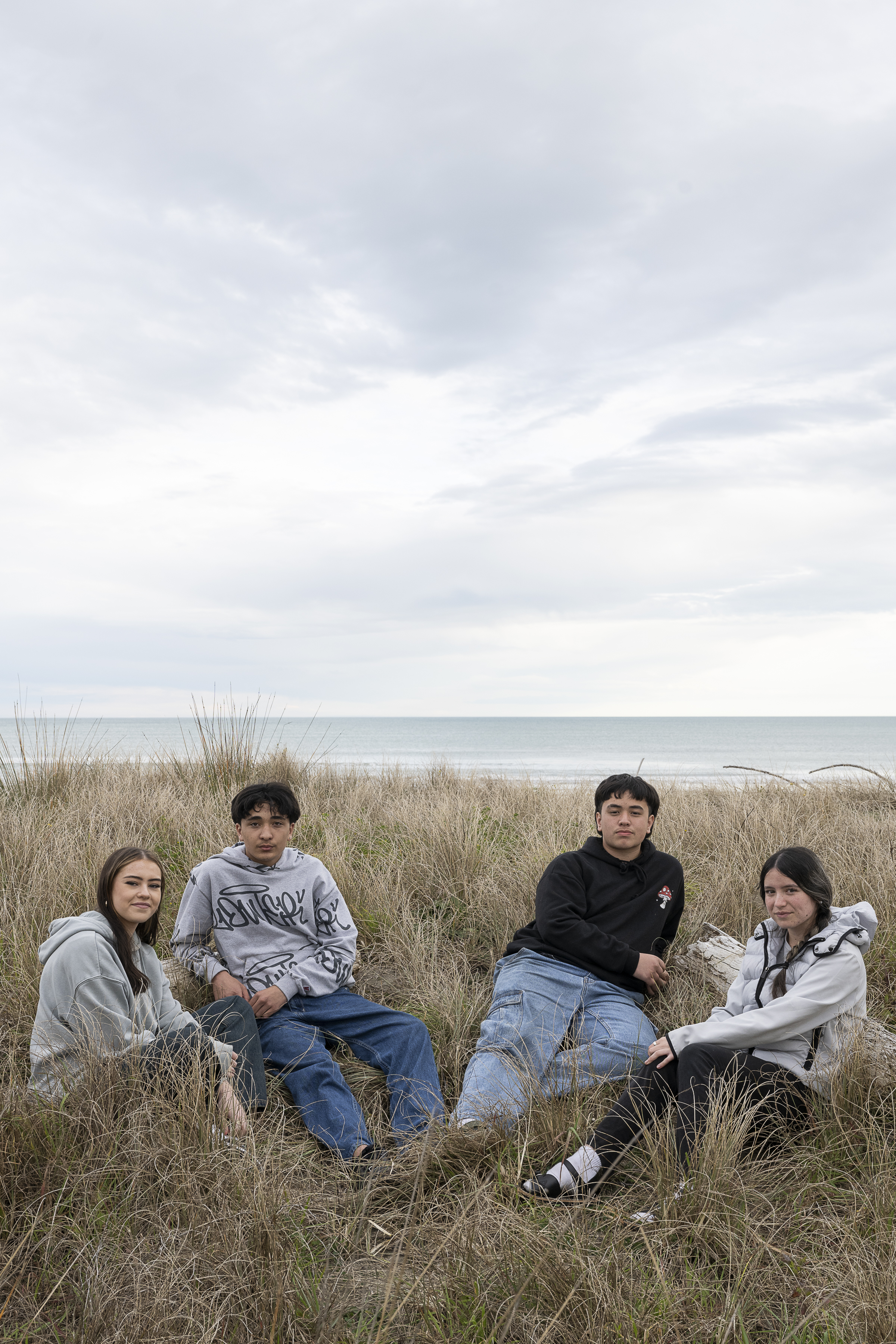

The Rangatahi Focus Fund supports transformational projects designed with and for rangatahi aged 15–24 in Tairāwhiti.
This fund responds to community priorities identified through the Tairāwhiti Wellbeing Survey and focuses on initiatives that empower rangatahi and create meaningful opportunities to strengthen wellbeing, leadership, and future pathways.
We are looking to support high-impact kaupapa that can shift the dial for our young people and create lasting benefits for future generations.
Applicants will need to demonstrate collaboration with partners and secure 30% co-funding to maximise the impact of their project.
Key Details
Expressions of Interest open: 20 April 2026
Expressions of Interest close: 5 June 2026
Funding decisions announced: September 2026
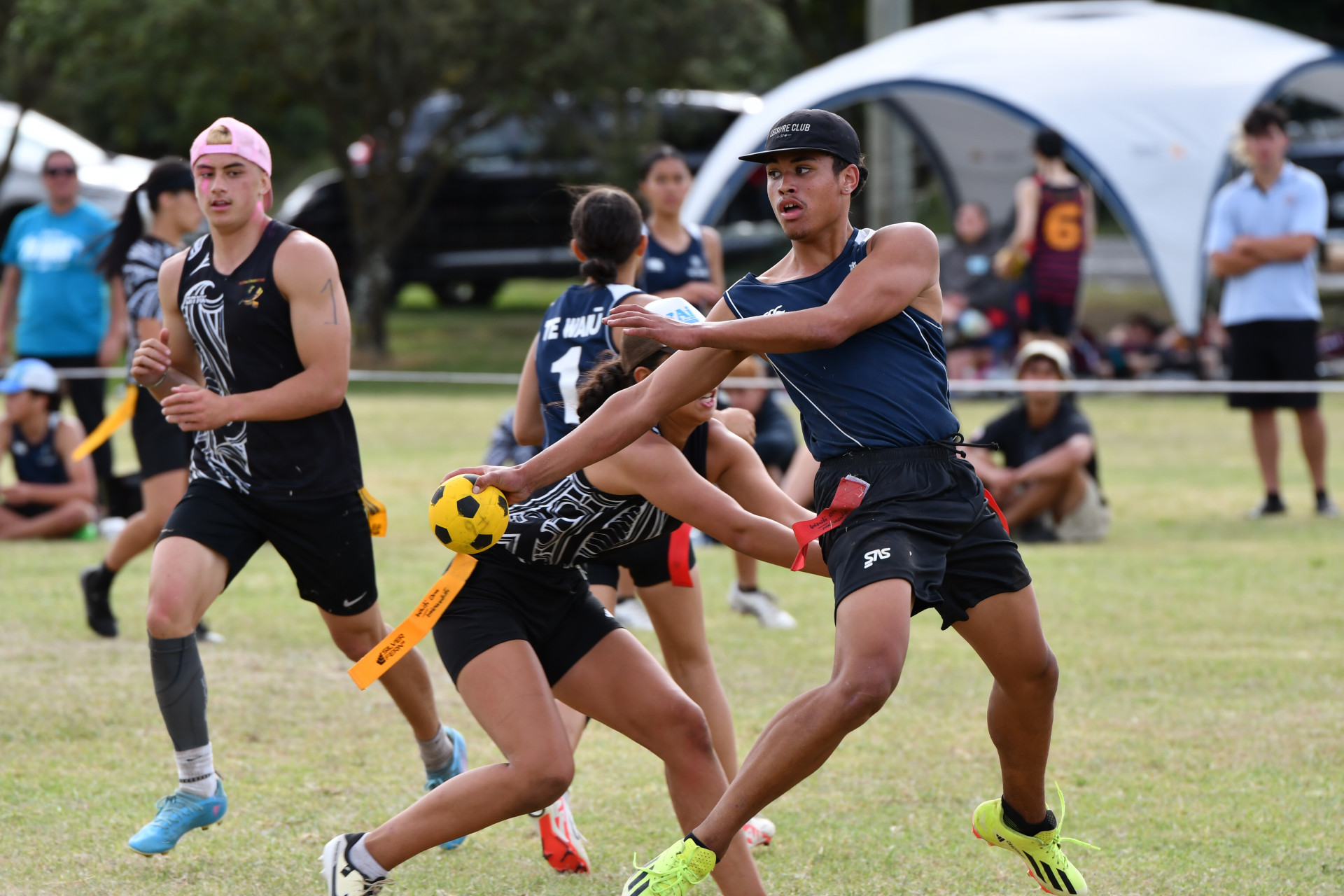
What the fund supports
The Rangatahi Fund supports projects that may include:
- rangatahi-led community projects
- youth leadership initiatives
- entrepreneurship, education and employment pathways
- creative or cultural programmes
- initiatives that strengthen social connection.
Applicants should clearly explain how the project will deliver measurable outcomes for Tairāwhiti.
Multi-year projects will be considered where they create sustained impact for rangatahi, with clear milestones and a strong delivery approach.
Who can apply
To be eligible, applicants must:
- deliver projects that benefit Tairāwhiti rangatahi (young people aged from 15-24)
- demonstrate strong collaboration with relevant partners or stakeholders
- clearly explain how the project will deliver meaningful outcomes for Tairāwhiti rangatahi.
Applicants will need to secure at least 30% co-funding to maximise the impact of the project.
Assessment criteria
Applications are assessed based on:
Impact for rangatahi
Projects should demonstrate clear, measurable outcomes for rangatahi, such as:
- increased life satisfaction and overall wellbeing
- reduced loneliness and increased social connection
- increased access to meaningful employment, training, or career pathwaysincreased sense of belonging to neighbourhood and the Tairāwhiti region
- improved sense of agency, giving rangatahi the opportunity to shape their future.
Alignment with Trust priorities
Projects should align with He Rangitapu He Tohu Ora, the regional wellbeing framework to ensure they contribute to the long-term wellbeing for the region.
Collaboration and partnerships
Projects that demonstrate collaboration between organisations or communities will be viewed favourably.
Reporting requirements
Successful applicants are required to report back to Trust Tairāwhiti on how the funding was used and the outcomes the project achieved.
Reporting usually includes:
- a custom co-designed impact report
- a completion survey
- confirmation of how funds were spent.
Reports are generally required at project completion, or within 12 months of receiving funding. Communication guidelines also apply to funding recipients.
Expression of Interest process
The Taiao Fund uses a staged Expression of Interest process.
Apply for the Rangatahi Focus Fund
Before submitting an Expression of Interest, please read the full
Rangatahi Focus Fund Guidelines.
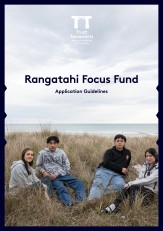
Need help?
If you would like to discuss your project before applying, our team is happy to help.
Focus Fund FAQ's
Can I apply to more than one fund?
Generally, no. Applications should be submitted to the fund that best matches the primary outcome of your project.
If your project could align with more than one fund, our team can help guide you to the most appropriate funding pathway.
What if my project could fit more than one fund?
Some projects may contribute to multiple outcomes. In these cases, applications will be assessed based on the main purpose and expected outcomes of your project.
If you’re unsure which fund is the best fit, we encourage you to get in touch before applying.
Why have you chosen to invest in Taiao and Rangatahi?
These areas were identified as key priorities through the Tairāwhiti Wellbeing Survey and regional data.
For example:
- Community perceptions of the environment have declined since Cyclone Gabrielle.
- Only around one in four residents believe the environment will improve in the future.
- More than half of residents are concerned about climate change and its impacts.
- Young people aged from 15-24 are rating well below the national average for life satisfaction, loneliness, health challenges, whānau wellbeing, financial pressure and sense of belonging to neighbourhood and region.
The Focus Funds aim to support initiatives that can create long-term positive change in these priority areas.
What do you mean by “high-impact kaupapa”?
The Focus Funds are designed to support projects that create significant and lasting impact for Tairāwhiti.
High-impact kaupapa may:
- benefit a large number of people
- deliver measurable improvements over time
- create lasting change for rangatahi or the environment
- involve collaboration across organisations or communities.
What does “co-funding” mean?
Co-funding means that part of the project cost is supported by other organisations, funders, or partners.
Applicants must secure at least 30% co-funding to maximise the impact of their project and demonstrate broader support.
Co-funding may include:
- funding from other grants
- contributions from partner organisations
- philanthropic support.
We understand that Rangatahi-led organisations may have limited access to other funding sources. Such organisations may apply without having co-funding secured.
Do I need a full project plan before submitting an Expression of Interest?
No. The Expression of Interest stage is designed to capture the initial concept and potential impact of your project.
If your project is shortlisted, you will be invited to submit a detailed project plan as part of the next stage.
Can individuals apply?
Applications must be submitted by a legal entity, such as a trust, company, or incorporated society.
If you have a project idea but are not part of an organisation, you may wish to partner with an appropriate organisation that can apply on your behalf.
What happens after I submit an Expression of Interest?
Once the Expression of Interest period closes, submissions will be reviewed to assess eligibility and alignment with the fund’s objectives.
Applicants whose projects meet the criteria will be invited to submit a detailed project plan. From there, shortlisted applicants will be invited to present their proposal to a panel.
Successful applicants are expected to be notified in September.
Who can I contact if I have questions?
If you would like to discuss your project before applying, we encourage you to contact us through the form and we will get back to you.
We’re happy to help determine whether your project is a good fit for the Focus Funds and guide you through the application process.
What types of projects will not be funded?
The Focus Funds support projects that deliver clear, measurable outcomes for rangatahi or the environment.
Funding generally does not support:
• retrospective funding for projects that have already started
• ongoing operational costs or core organisational funding
• projects that fall outside Tairāwhiti
• activities that do not align with the fund’s priority outcomes.
How much funding can I apply for?
Funding amounts will depend on the scale and impact of the proposed project.
Projects should demonstrate how funding will be used to deliver meaningful outcomes and how co-funding will contribute to the overall project budget.
When will projects need to start?
Projects should be ready to begin after funding decisions are announced, with payments linked to project milestones.
Funding payments are expected to begin from 20 October following the funding decision.
How will projects be assessed?
Applications are assessed based on several key factors, including:
- the potential impact of the project
- alignment with He Rangitapu He Tohu Ora
- alignment with Trust Tairāwhiti priorities
- collaboration with partners
- the ability to deliver measurable outcomes.