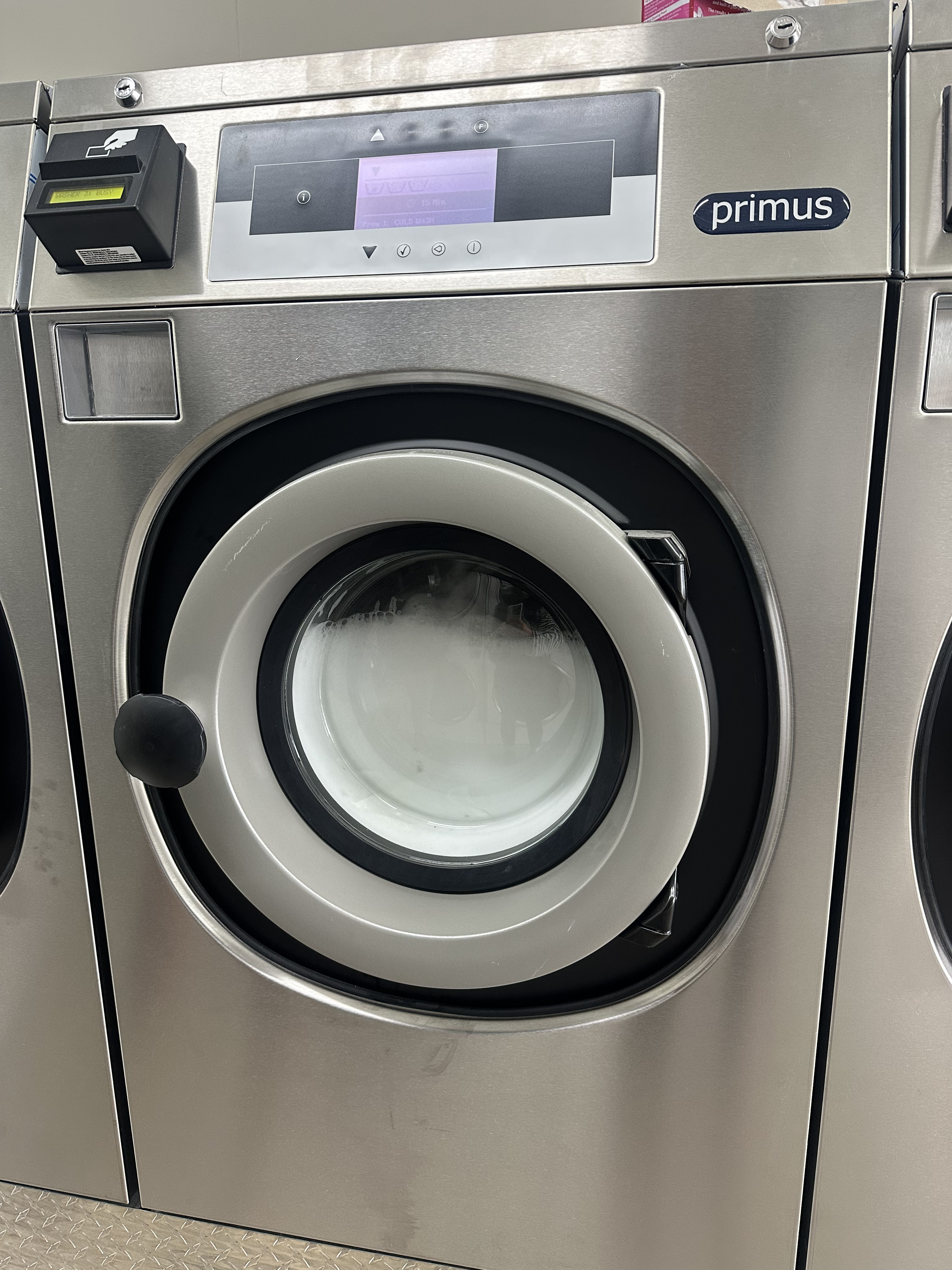
Excitement and anticipation is growing in Ūawa as the long-awaited community laundromat prepares to open at full capacity in the coming weeks.
Led by Te Aitanga-a-Hauiti Centre of Excellence (COE), the project responds to a clear local need and will support whānau in Ūawa and surrounding communities.
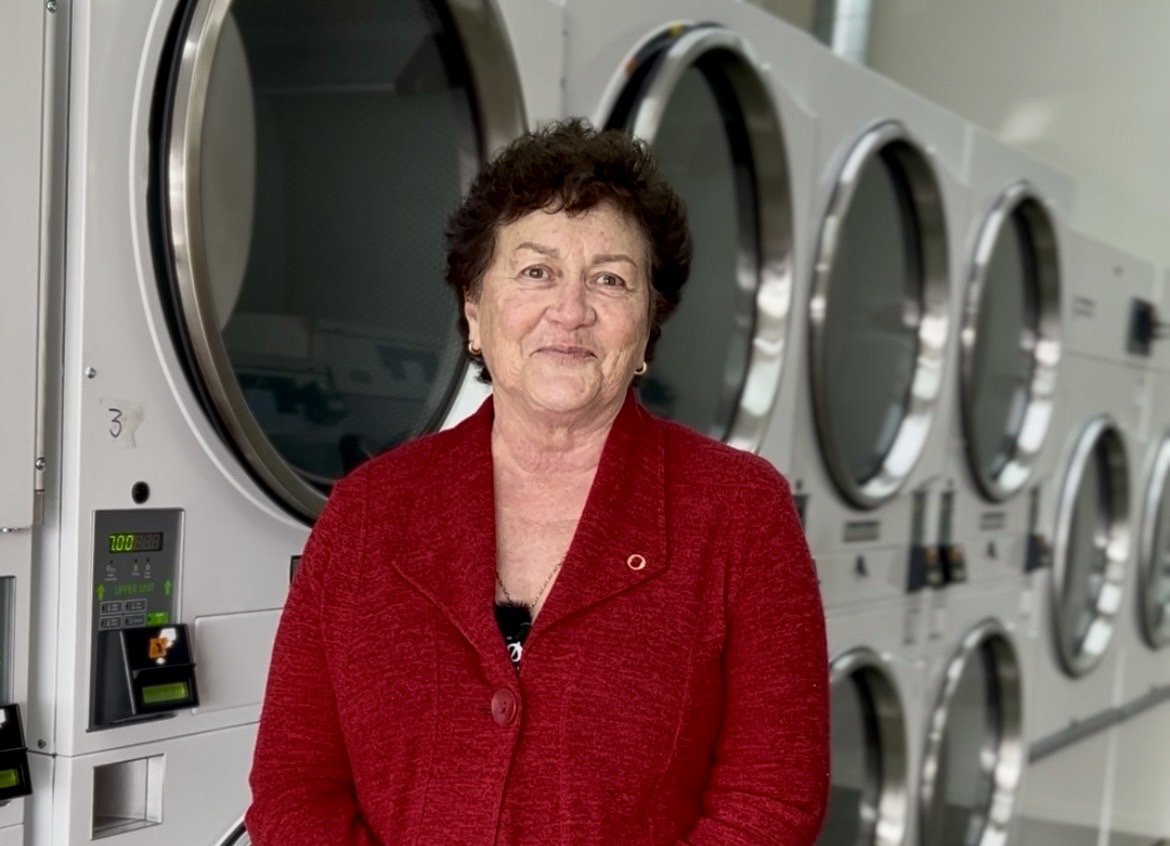
“We’ve got lots of children, young families and big families in our community,” says Tolaga Bay Area School principal, Nori Parata.
“Many have had to travel to Gisborne every week to get their laundry done. We also have a lot of industry here, so whānau working on the roads, in forestry and on farms with the need to wash heavy clothing. Providing the convenience of a laundromat here will make a big difference to their lives.”
From the outset, Te Aitanga-a-Hauiti COE has prioritised sustainable outcomes for the taiao.
“Te Aitanga-a-Hauiti and the Ūawa community have a 100-year strategy on environmental sustainability, so all the developments and initiatives that occur have that as a premise,” says Nori.
The project’s sustainable design was also shaped by community feedback.
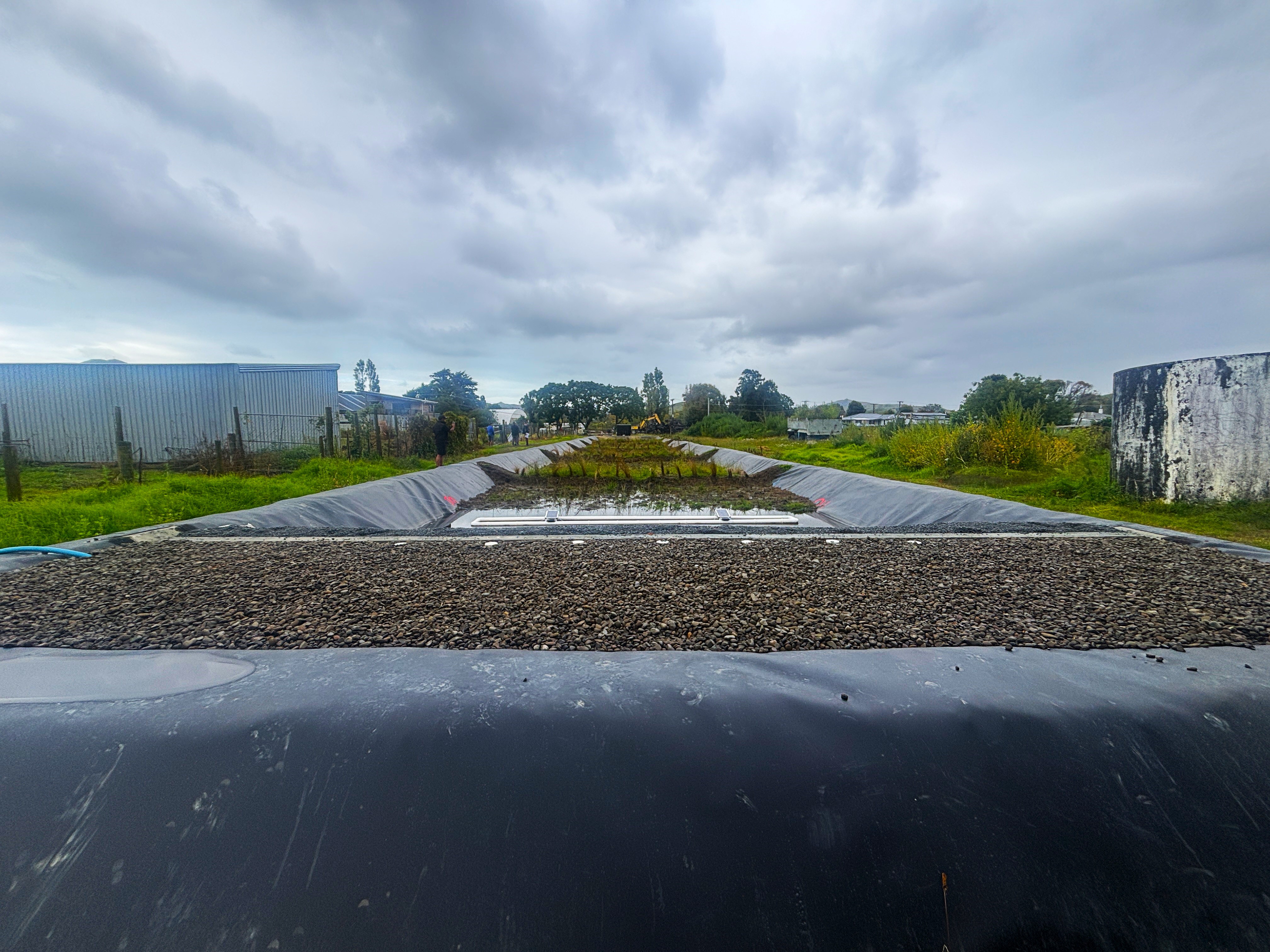
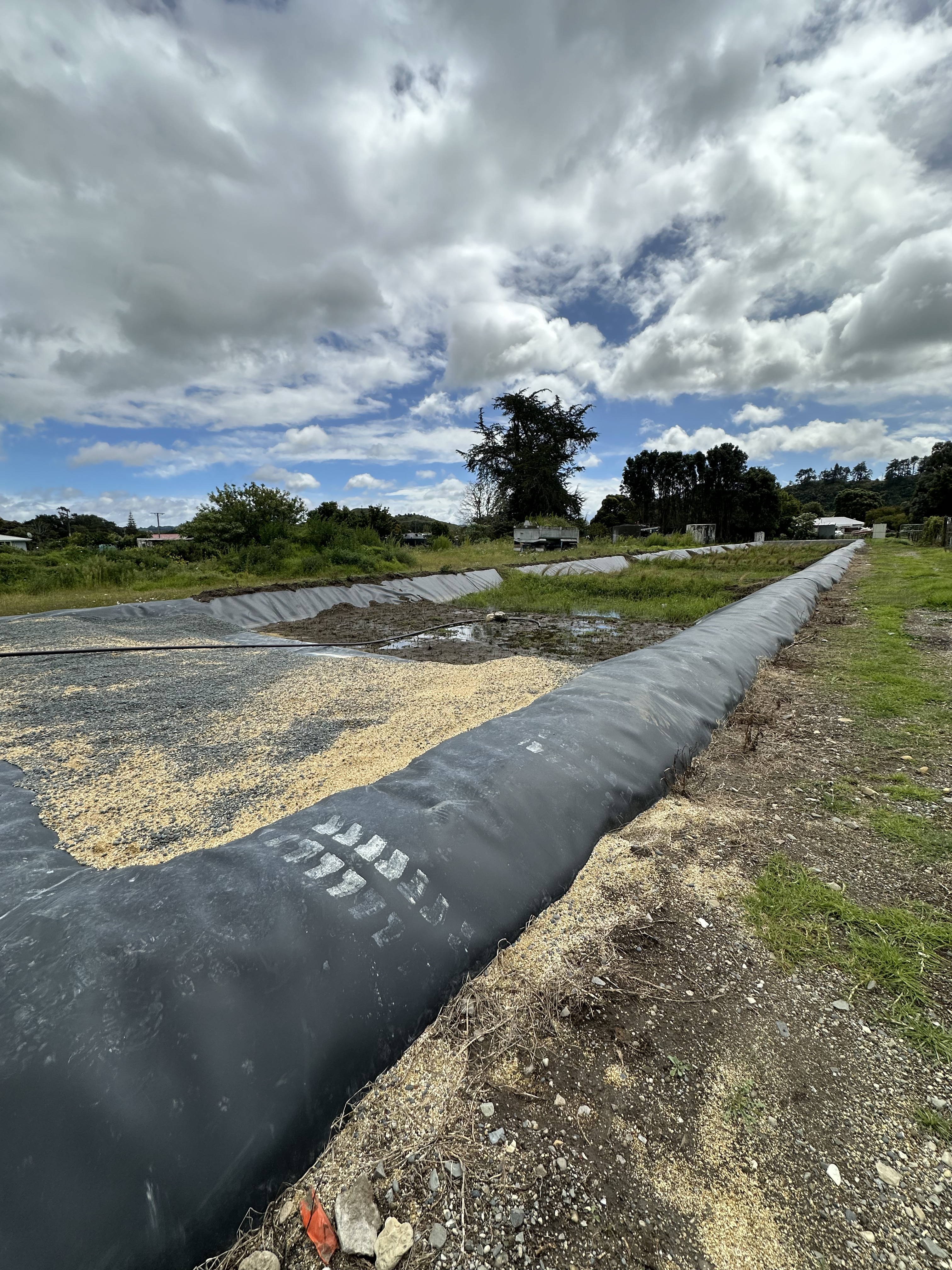
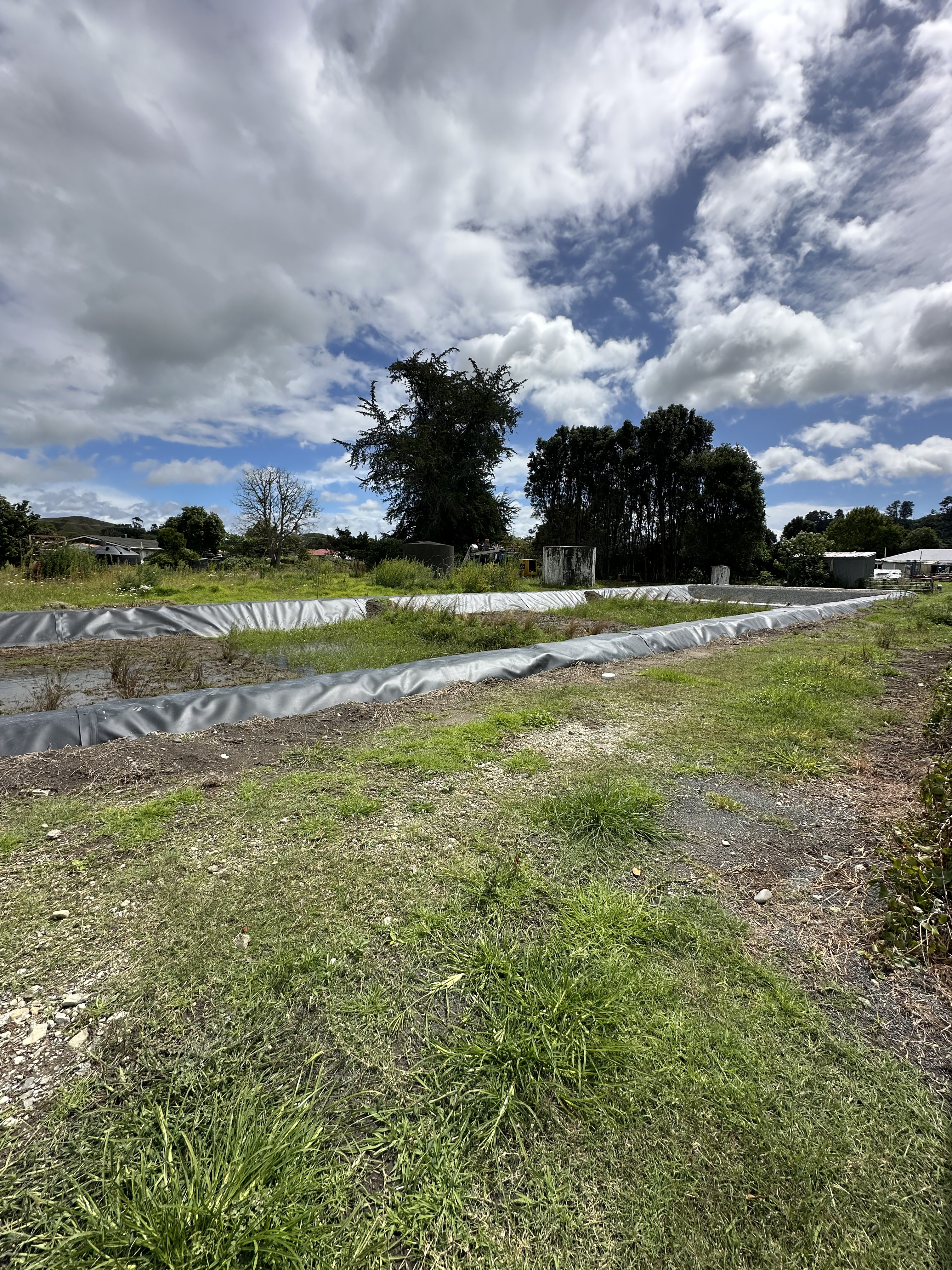
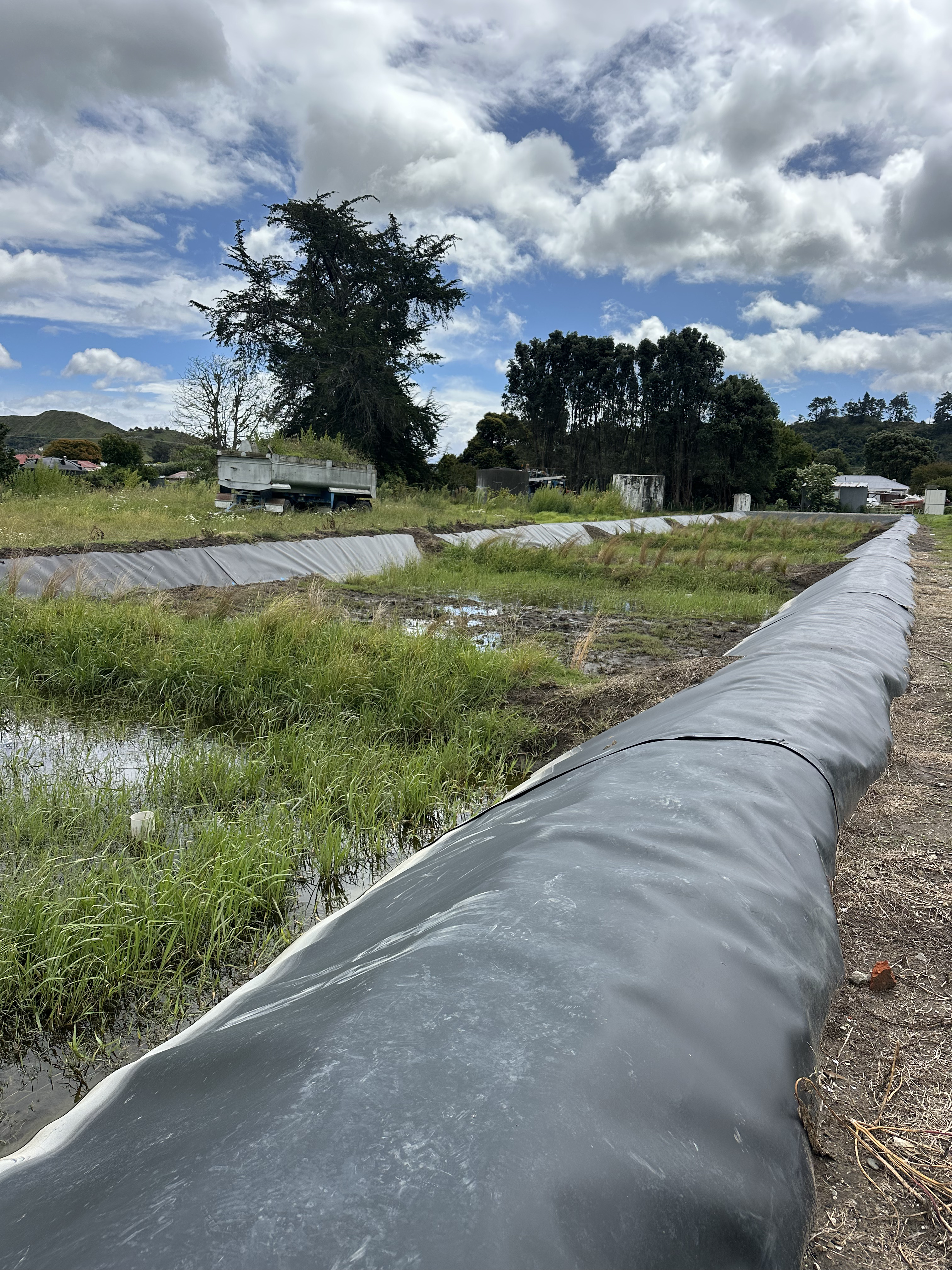
"A community survey that was sent out indicated concerns about water entering the river, so designing a wetland was the responsible environmental solution for the laundromat.”
"When the water leaves the laundromat, it gets pumped down to the wetlands, where it goes through a cleansing process with the plants and a UV system before returning to the tanks,” says Te Aitanga-a-Hauiti COE kaimahi, Jock Walker.
“As it goes through the wetlands, it’s a natural process of the environment cleansing the greywater. By the time it comes back into the tanks, it will be clean.” This water can then be reused in the nursery.
“It’s a fantastic opportunity to have a facility managed in Ūawa, for the community by the community,” says the designer of the wetland, director of Awamoana, Wolfgang Kanz.
“It’s designed in a sustainable way, is resilient and can benefit the community for generations to come.”
Trust Tairāwhiti proudly supported the project with up to $350k in funding.
For a community that continues to face summer water shortages and winter drying challenges, the impact will be significant.